Mia Wagner · 16 September 2026
Augmented Reality Trials Mark New Chapter for Elvara's Retail Approach
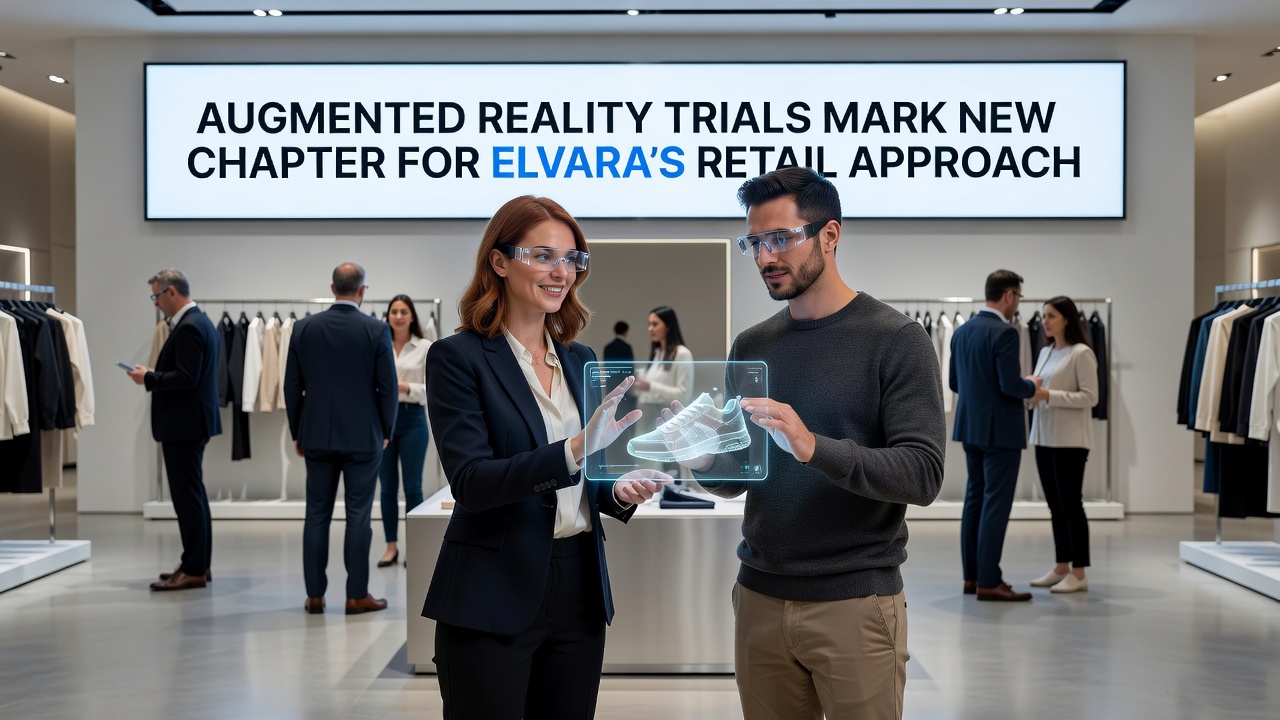
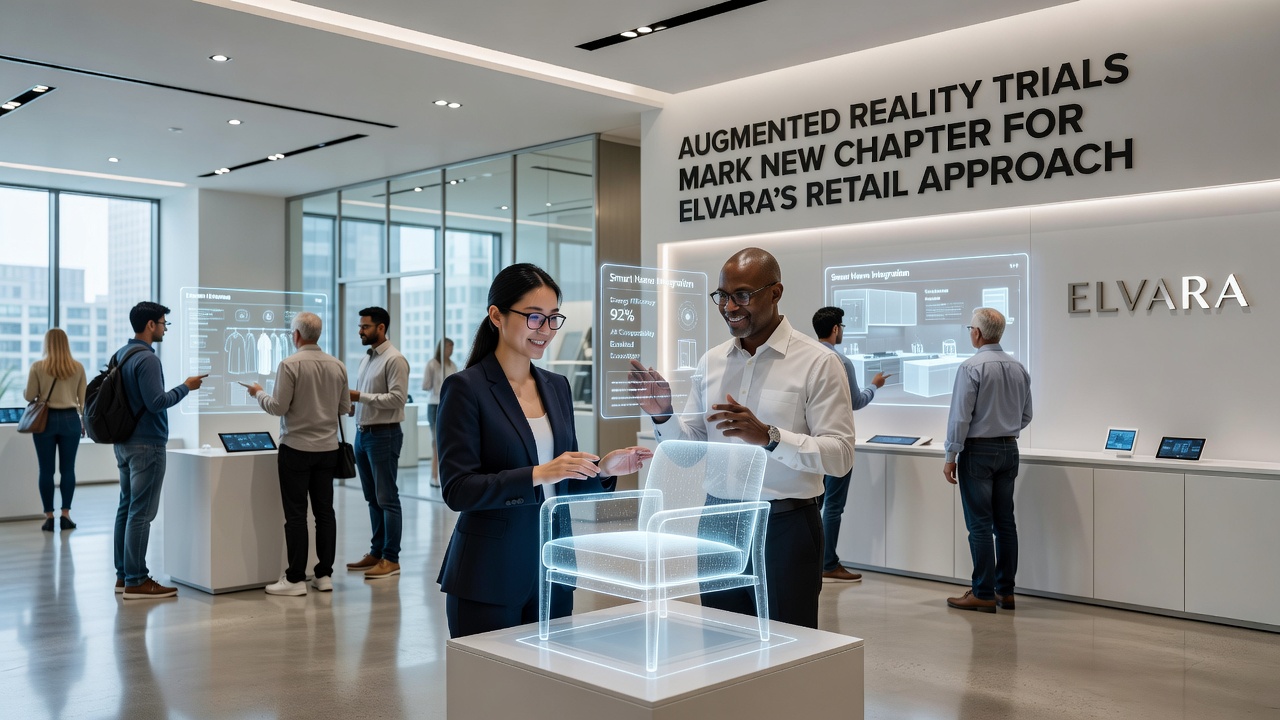
Elvara has initiated augmented reality trials that integrate digital overlays with physical retail spaces, and these efforts connect directly to the brand's established presence in European flagship locations. teh trials focus on virtual try-on features, interactive product information, and navigation tools that appear through customer smartphones or in-store tablets. Staff members receive training on guiding shoppers through the new interfaces while maintaining traditional service standards.
Implementation Timeline and Locations
Rollout begins in September 2026 at the central Lisbon store, where existing infrastructure already supports high foot traffic from both local residents and international visitors. Technicians install ceiling-mounted sensors alongside updated point-of-sale systems to ensure seamless synchronization between physical inventory and digital representations. Additional phases will extend the same framework to the Paris location later in the same year, allowing direct comparison of performance metrics across two major markets.
Engineers selected hardware from established suppliers that already comply with European Union data protection requirements, and software platforms undergo iterative testing to minimize latency during peak shopping hours. Store layouts remain unchanged except for designated testing zones that occupy less than fifteen percent of total floor space in each location.
Technical Features Under Evaluation
Customers point devices at clothing racks to view color variations, size availability, and fabric composition details that appear as floating labels. Virtual mirrors display full outfits layered over the user's reflection, while directional arrows guide individuals toward specific items located elsewhere in the store. Analytics dashboards track which overlays receive the most interaction without capturing personal identifiers.
One study conducted by researchers at the University of Toronto examined similar augmented reality applications in fashion retail and recorded average session extensions of twenty-three percent when interactive elements were present. National Retail Federation figures further indicate that early adopters of comparable systems report measurable lifts in conversion rates during controlled pilot periods.
Data Collection and Measurement Protocols
Elvara records anonymized interaction logs that measure dwell time at each digital station, frequency of feature usage, and subsequent purchase behavior within the same visit. These datasets feed into weekly review meetings where product teams adjust overlay content based on observed patterns rather than assumptions. External auditors review the data handling procedures to confirm alignment with existing privacy frameworks.
Partnerships with local technology firms supply the necessary development resources, while internal merchandising teams retain final approval over all visual content displayed through the augmented reality layers. This division of responsibilities keeps brand aesthetics consistent even as technical capabilities expand.
Staff Preparation and Customer Guidance
Training modules delivered to store associates cover both technical troubleshooting and customer communication strategies. Associates practice scenarios in which shoppers request assistance switching between standard browsing and augmented modes. Feedback sessions scheduled after teh first month of operation will capture frontline observations that inform later refinements.
Signage throughout the testing zones explains the optional nature of the technology and provides clear instructions for opting out. Printed cards at checkout counters offer alternative access methods for customers who prefer not to use personal devices during their visit.
Broader Retail Context
Industry reports compiled by the Australian Retailers Association document a steady increase in technology investments across fashion and lifestyle sectors since 2023, with augmented reality cited among the more frequently tested categories. Elvara's approach aligns with these documented patterns while remaining anchored to the brand's physical store footprint.
Inventory systems continue to operate independently of the digital overlays, ensuring that stock counts reflect actual shelf quantities at all times. Updates to product information propagate through existing backend platforms before appearing in augmented views, which reduces the risk of displaying outdated details.
Conclusion
The augmented reality trials represent a measured expansion of Elvara's retail operations that builds upon established store networks in Lisbon and Paris. September 2026 serves as the starting point for systematic evaluation of these tools under real operating conditions. Performance data collected during the pilot phase will determine whether similar installations proceed in additional locations or whether adjustments to the current model become necessary. External benchmarks from organizations such as the University of Toronto and industry bodies provide reference points against which Elvara's results can be compared.