Mia Wagner · 30 September 2026
Elvara's Push Into Blockchain for Material Traceability in European Supply Lines
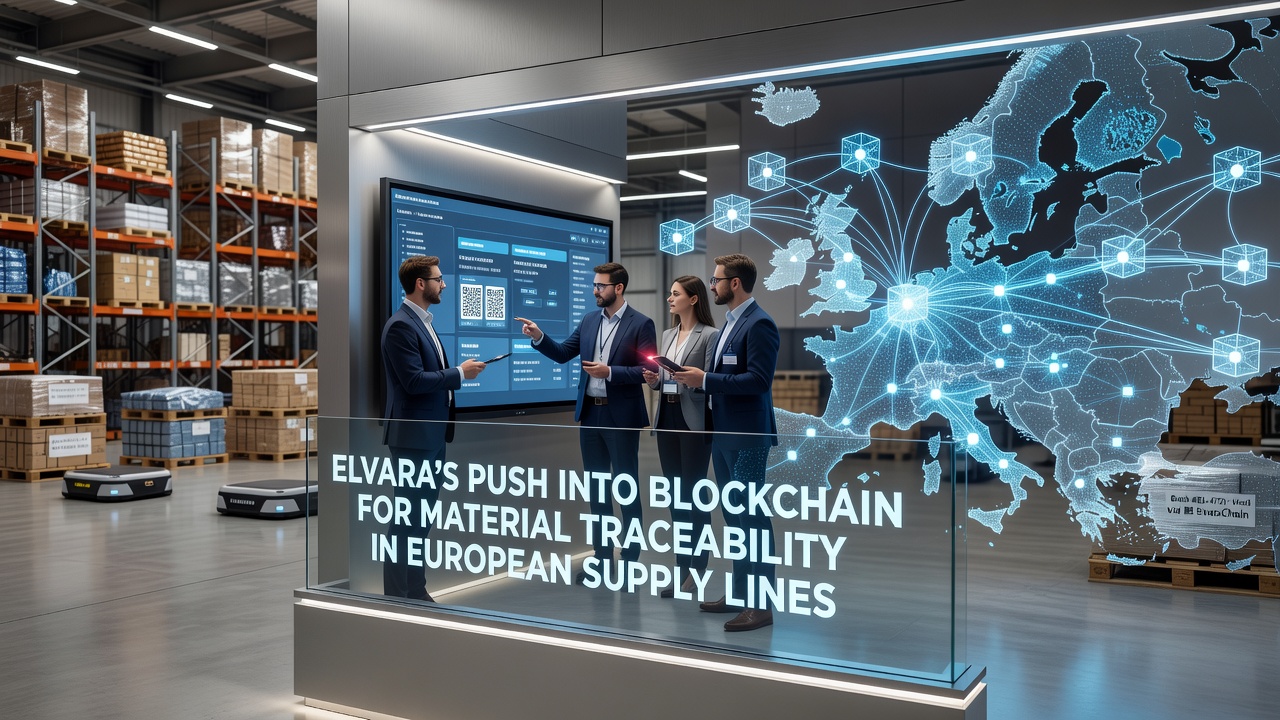
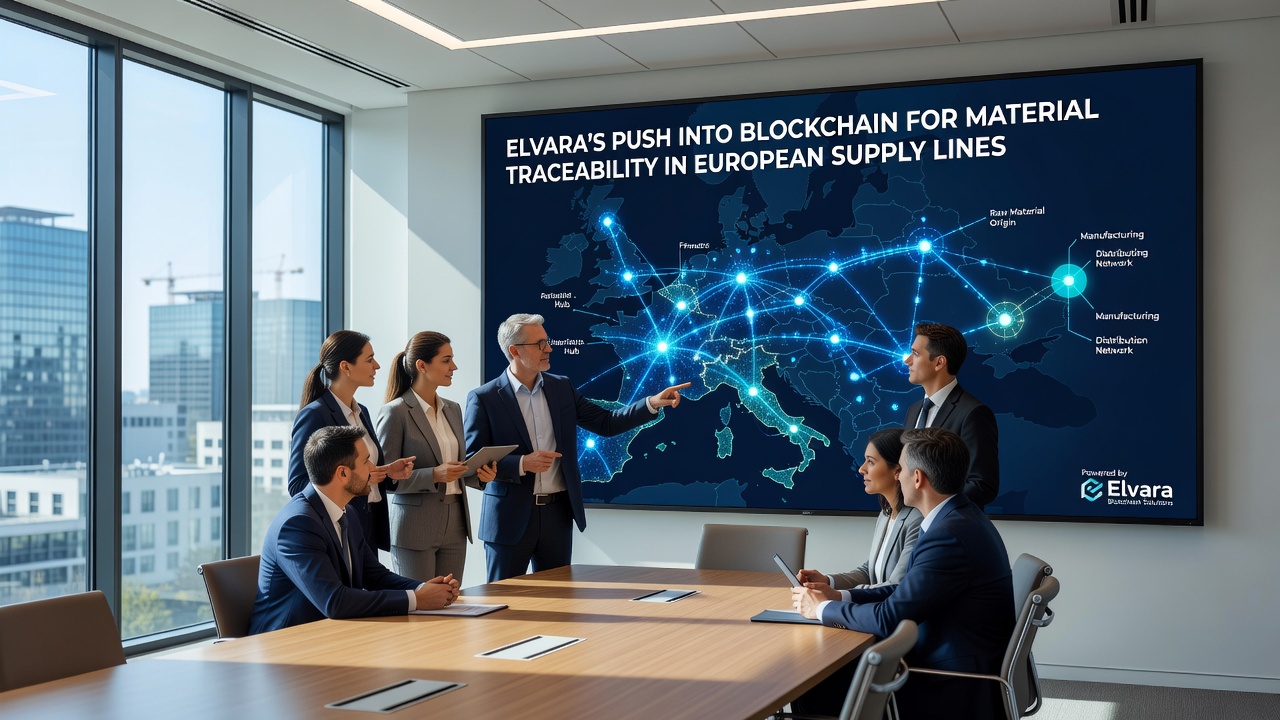
Elvara has expanded its operations to incorporate blockchain technology across material sourcing networks that stretch through multiple European countries, and this development aligns with broader industry shifts toward digital verification systems in September 2026. The company operates within the fashion and lifestyle sector where supply chains often involve raw material extraction, processing facilities, and distribution hubs that cross borders from Portugal through to northern manufacturing zones.
Background on the Initiative
Supply line operators have adopted distributed ledger systems to record each stage of material movement from origin points to final assembly locations, and researchers at various European institutions have documented similar approaches in textile and apparel sectors over recent years. Elvara began testing these platforms after regulatory frameworks from the European Union emphasized greater transparency requirements for imported and domestically produced goods alike. Data from pilot programs shows that blockchain entries can capture details such as fiber origin, chemical treatments applied during processing, and transportation timestamps without requiring centralized databases that multiple parties must trust individually.
Those who have examined the rollout note that Elvara selected permissioned blockchain networks to restrict access to verified participants only, which allows suppliers, auditors, and logistics providers to append information while maintaining control over sensitive commercial data. This setup integrates with existing enterprise resource planning software already in use at partner factories across Spain, Italy, and Germany.
Technical Implementation Details
Each batch of materials receives a unique digital identifier at the point of harvest or synthesis, and subsequent handlers scan or enter updates that create an immutable chain of custody records visible to authorized stakeholders. According to industry reports from the European Commission on emerging technologies, such systems reduce discrepancies in documentation that previously arose during manual handoffs between entities. Elvara has connected its platform to radio frequency identification tags and quick response codes placed on shipments, enabling real-time queries that confirm compliance with sustainability criteria established under EU directives.
One logistics coordinator involved in the network described how the system flagged a shipment of organic cotton when temperature sensors indicated deviation during transit, prompting immediate review before the goods reached the next facility. The approach builds on earlier traceability efforts but adds cryptographic verification that prevents retroactive alterations to records once they are committed to the ledger.
What's interesting here is how the technology addresses specific pain points in European supply routes where materials often travel through several jurisdictions with differing record-keeping standards. Observers have pointed out that Elvara coordinates with smaller producers who lack advanced digital infrastructure by providing simplified interfaces that still feed into the main blockchain without heavy investment on their part.
Regulatory Context and Data Insights
European regulations on product due diligence have accelerated adoption of these tools, and figures from the European Commission blockchain initiatives indicate rising numbers of companies registering traceability projects in the textile category since 2024. Elvara's implementation in September 2026 coincided with updated guidance on digital product passports that require verifiable data on material composition and origin for goods sold within the single market. Studies conducted by research teams at institutions across the continent show that blockchain can lower verification costs over time compared to traditional third-party audits alone, although initial setup involves mapping every supplier relationship in detail.
Additional evidence comes from reports issued by the Australian Department of Industry that examined cross-border applications relevant to global apparel networks, highlighting how similar ledgers helped identify bottlenecks in material flows. Elvara has shared aggregated metrics from its platform with partner organizations to demonstrate reduced instances of mismatched certificates during customs inspections at major European ports.
Supplier Integration and Case Examples
Smaller mills in Portugal that supply Elvara with linen and wool have begun uploading harvest records directly through mobile applications linked to the blockchain, and this change has allowed buyers to trace specific farm lots to finished garments without intermediary paperwork delays. Experts tracking the sector note that such direct entry points help maintain accuracy when volumes fluctuate seasonally. A separate facility in Poland handling dyeing processes now records chemical batch numbers and wastewater treatment confirmations as part of each transaction, creating a searchable history that auditors can access during scheduled reviews.
Those who've studied comparable projects find that the combination of blockchain with sensor data creates layered verification that single-method systems rarely achieve. Elvara continues to expand the network by onboarding additional raw material providers in Greece and Romania where traceability gaps have historically complicated compliance checks.
Conclusion
Elvara's integration of blockchain for material traceability reflects ongoing adaptations within European supply lines to meet documentation standards while leveraging distributed ledger capabilities that multiple parties can access securely. The developments observed through September 2026 illustrate practical connections between regulatory expectations and operational tools already deployed by the company and its partners. Continued monitoring by research groups will likely provide further data on scalability across additional product categories and geographic extensions in the coming periods.